

Homeownership often runs smoothly until a sudden breakdown disrupts daily life. Many costly repairs start as small, preventable issues that quietly build over time. Routine maintenance tends to get overlooked because problems remain hidden until systems fail or damage becomes obvious. Staying ahead of essential tasks protects appliances, improves safety, and extends the life of major home systems. A little attention throughout the year can prevent stressful emergencies and keep a home running efficiently.
Cleaning Gutters Before Water Causes Damage
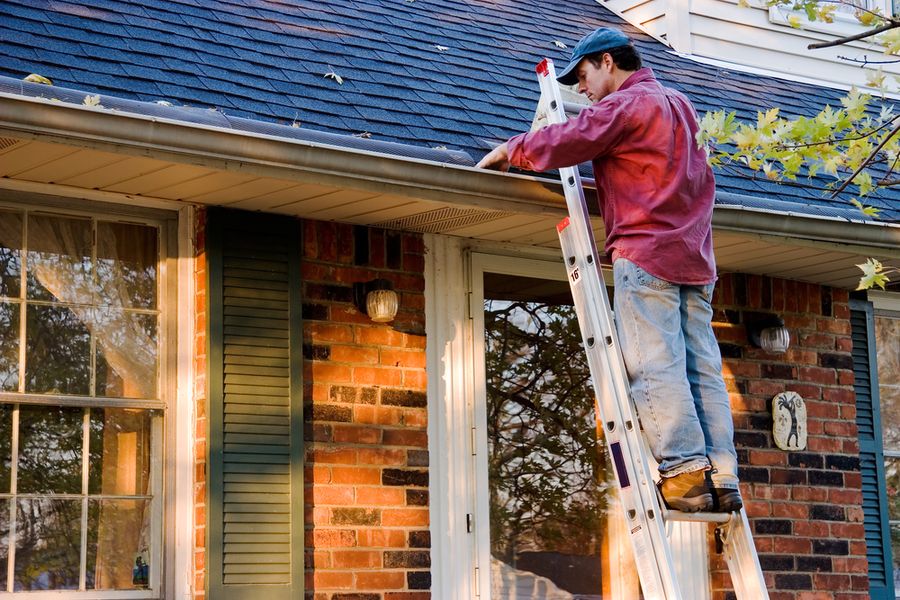
Gutters play a crucial role in directing rainwater away from the home, yet they are often ignored until leaks or foundation issues appear. When gutters fill with leaves, dirt, and debris, water spills over the sides instead of flowing safely away. This overflow can damage siding, erode soil, and lead to basement leaks or roof rot over time.
Cleaning gutters at least twice a year helps prevent those issues. Removing debris by hand or with a scoop keeps water flowing freely. Installing gutter guards can reduce buildup, but occasional checks are still necessary. Paying attention to downspouts ensures water drains far enough from the foundation, protecting both the structure and the surrounding landscaping.
Draining Sediment From the Water Heater
Water heaters quietly collect sediment from minerals present in the water supply. Over time, that sediment settles at the bottom of the tank, reducing efficiency and putting extra strain on the unit. Left unchecked, buildup can cause uneven heating, strange noises, and even premature failure.
Draining the water heater once or twice a year flushes out sediment and helps maintain consistent performance. This simple process improves energy efficiency and extends the lifespan of the system. For tankless water heaters, descaling may be required instead. Regular maintenance reduces the risk of sudden breakdowns and ensures reliable hot water when it’s needed most.
Cleaning Dryer Vents and Exterior Exhausts
Lint buildup inside dryer vents is a common but dangerous maintenance issue. While lint traps get cleaned regularly, lint also accumulates in the vent hose and exterior exhaust . This restriction reduces airflow, forcing the dryer to work harder and increasing the risk of overheating or fire.
Cleaning both the interior vent and exterior exhaust annually improves safety and drying efficiency. Removing lint shortens drying time and reduces energy use. Checking the outside vent flap ensures it opens freely and isn’t blocked by debris or nests. Consistent attention to dryer vents protects appliances and significantly lowers fire hazards.
Changing and Inspecting HVAC Filters and Systems
HVAC systems rely on clean filters to function properly, yet filter changes are easy to forget. Dirty filters restrict airflow, reduce efficiency, and strain the system. Over time, this can lead to higher energy bills and unexpected breakdowns during extreme weather.
Replacing filters every one to three months keeps air circulating efficiently and improves indoor air quality. Annual HVAC inspections help identify small issues before they become expensive repairs. Cleaning vents and ensuring unobstructed airflow supports consistent heating and cooling, keeping the system reliable throughout the year.
Cleaning Refrigerator Coils for Better Efficiency
Refrigerator coils release heat as part of the cooling process, but dust and pet hair often coat them unnoticed. Dirty coils force the fridge to work harder, leading to increased energy use and uneven cooling. Over time, this extra strain can shorten the appliance’s lifespan.
Vacuuming or brushing coils every six months improves efficiency and helps maintain consistent temperatures. Coils are usually located behind or beneath the refrigerator, making them easy to overlook. Keeping this area clean reduces wear on the compressor and helps food stay fresh longer without unnecessary energy waste.
Testing Smoke and Carbon Monoxide Detectors
Smoke and carbon monoxide detectors provide critical protection, yet many people forget to test them regularly. Dead batteries or malfunctioning sensors may go unnoticed until an emergency occurs. Carbon monoxide is especially dangerous because it’s odorless and invisible.
Testing detectors monthly ensures they function properly when needed. Replacing batteries at least once a year prevents sudden failures. Detectors should also be replaced entirely every several years, as sensors degrade over time. Maintaining these devices is one of the simplest ways to protect both lives and property.
Staying Ahead of Problems With Preventive Care
Preventive maintenance rarely feels urgent, but it saves time, money, and stress in the long run. Small efforts spread throughout the year prevent minor issues from becoming major repairs. Tasks like cleaning vents, checking detectors, and maintaining appliances add up to a safer, more efficient home.
When maintenance becomes routine, unexpected breakdowns happen less often. A proactive approach keeps systems running smoothly and preserves the home’s value. Staying ahead of forgotten tasks creates peace of mind and ensures the home remains comfortable and reliable year after year.