

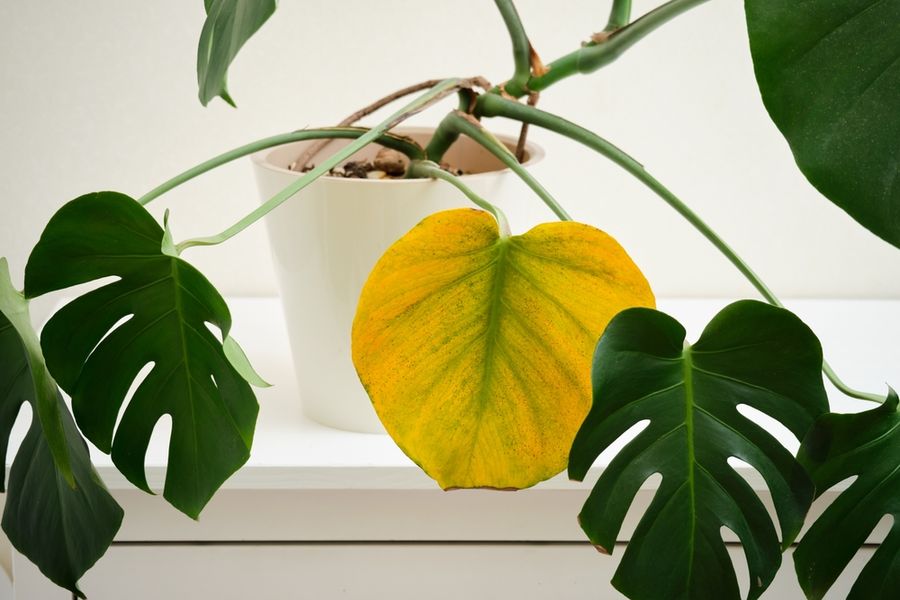
Houseplants have a reputation for being low-maintenance, yet many struggle to survive indoors despite the best intentions. Small care missteps, repeated over time, often lead to yellow leaves, drooping stems, or stalled growth that feels frustrating and confusing. The good news is that most plant problems stem from common habits rather than bad luck. With a few simple adjustments, struggling plants can recover and thrive, turning your home into a healthier, more vibrant space filled with lasting greenery.
Choosing Plants Without Understanding Their Needs
One of the most common houseplant mistakes happens before a plant even enters the home. Buying based on appearance alone often leads to disappointment when light, temperature, or humidity conditions do not match the plant’s needs. A striking plant at the store may require bright, indirect light or high humidity that simply isn’t available indoors. Without understanding care requirements, even attentive owners may unknowingly place a plant in an environment where it cannot survive.
The fix begins with research . Checking light preferences, watering needs, and growth habits before purchasing saves time and money. Matching plants to your space rather than forcing conditions to change leads to better success. Low-light homes benefit from plants like snake plants or pothos, while sunny rooms suit succulents and ficus varieties. When plants and environments align naturally, long-term care becomes easier and far more rewarding.
Overwatering and Underwatering Without a Routine
Watering mistakes account for more plant losses than almost any other issue. Overwatering suffocates roots and encourages rot, while underwatering leaves plants stressed and dehydrated. Many owners water on a schedule rather than based on the plant’s actual needs, which can vary depending on season, light exposure, and humidity levels. Soil that remains consistently wet or bone-dry signals an imbalance that needs correction.
A simple fix involves checking soil moisture before watering. Inserting a finger a few inches into the soil provides immediate feedback. Many plants prefer drying out slightly between waterings, especially during cooler months. Consistency matters more than frequency. Developing a flexible routine based on observation rather than habit helps plants maintain healthy roots and prevents common stress symptoms like wilting or yellowing leaves.
Ignoring Light Direction and Placement
Light plays a crucial role in plant health, yet it is often misunderstood. Placing a plant near a window does not guarantee proper light if the direction or intensity is wrong. South- and west-facing windows provide stronger light, while north-facing windows offer softer exposure. Without understanding how sunlight moves throughout the day, plants may receive too little or too much light, leading to leggy growth or scorched leaves.
Fixing this mistake starts with observing natural light patterns in your home. Moving plants a few feet closer or farther from windows can make a noticeable difference. Sheer curtains help filter harsh sunlight, while grow lights supplement dim areas. When plants receive light suited to their needs, growth becomes fuller and more balanced, reducing the need for constant repositioning or guesswork.
Forgetting About Drainage and Soil Health
Drainage problems often hide beneath the surface until damage becomes visible. Pots without drainage holes trap excess water, increasing the risk of root rot even when watering seems moderate. Old or compacted soil also prevents proper airflow, limiting nutrient absorption and root development. Over time, neglected soil becomes less effective at supporting plant health.
The fix is straightforward. Choosing pots with drainage holes allows excess water to escape naturally. Repotting every year or two refreshes soil structure and provides room for growth. Using well-draining potting mixes tailored to plant types improves moisture balance. Healthy soil supports strong roots, which in turn lead to resilient foliage and more consistent growth patterns throughout the year.
Skipping Fertilizer and Seasonal Adjustments
Houseplants rely on nutrients found in soil, yet fertilizing is often overlooked. Over time, soil nutrients deplete, leaving plants without the resources needed for new growth. Conversely, fertilizing too frequently or during dormant periods can cause chemical buildup and stress. Many plants slow their growth during fall and winter, requiring fewer inputs than during active seasons.
Fixing this mistake involves light, intentional feeding. Using a balanced fertilizer during spring and summer supports growth without overwhelming roots. Reducing or pausing fertilization during colder months allows plants to rest naturally. Paying attention to seasonal changes helps plants follow their natural rhythms, resulting in healthier growth cycles and fewer signs of nutrient imbalance.
Overlooking Airflow, Humidity, and Cleanliness
Indoor environments differ greatly from outdoor conditions, especially in terms of airflow and humidity. Many plants struggle when placed near heaters, air conditioners, or drafty areas that cause temperature swings. Low humidity can dry leaf edges, while stagnant air encourages pests and fungal issues. Dust buildup on leaves also reduces photosynthesis, limiting growth.
Simple fixes make a big difference. Grouping plants increases humidity naturally, while occasional misting or humidifiers help tropical varieties thrive. Keeping plants away from vents prevents temperature stress. Gently wiping leaves removes dust and improves light absorption. A clean, well-ventilated environment supports healthier plants and reduces the likelihood of recurring problems.
Turning Mistakes Into Growth Opportunities
Houseplant care rarely goes perfectly, especially in the beginning. Mistakes are part of the learning process and often provide valuable insight into what plants truly need. By paying attention to warning signs and making small adjustments, even struggling plants can recover and flourish. Patience and observation go a long way toward building confidence as a plant owner.
With better plant selection, thoughtful watering, proper light placement, and consistent maintenance, caring for houseplants becomes less stressful and more enjoyable. Over time, habits improve naturally, leading to stronger plants and a home filled with lasting greenery. Every correction made brings you closer to a thriving indoor garden that feels both manageable and rewarding.