

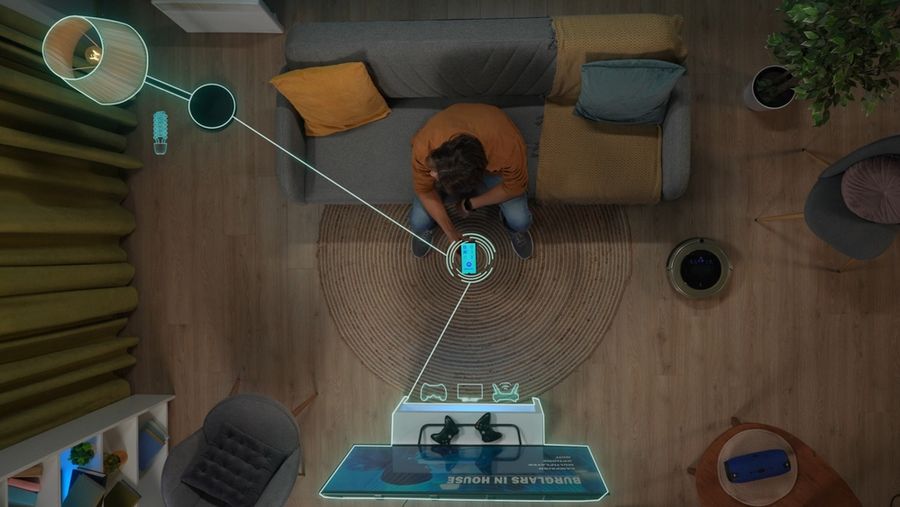
A smarter home doesn’t require a full renovation or a pile of brand-new appliances. Many upgrades focus on improving how your existing space functions, not tearing it apart. Small changes can lower energy use, simplify routines, and reduce daily frustrations without overwhelming your budget. By layering in thoughtful technology and making a few strategic swaps, it’s possible to create a home that feels modern, responsive, and efficient while keeping the bones of your current setup intact.
Start With a Smart Thermostat for Immediate Impact
A smart thermostat is often the easiest and most noticeable upgrade for improving efficiency. Unlike traditional models, smart thermostats learn usage patterns, adjust temperatures automatically, and reduce energy waste when no one is home. Many can be controlled from a phone, allowing adjustments while away or while lying in bed. Over time, this level of control often leads to lower heating and cooling costs without sacrificing comfort.
Installation is usually straightforward and compatible with most existing HVAC systems. Once installed, the thermostat does the heavy lifting by optimizing schedules and responding to temperature changes more intelligently. Some models even provide energy reports that show usage trends and offer suggestions for improvement. This single upgrade can quietly reduce monthly bills while making the home more comfortable year-round.
Use Smart Lights to Improve Efficiency and Convenience
Smart lighting offers more than just the ability to turn lights on and off with a phone. Smart bulbs and switches allow scheduling, dimming, and automation that reduce wasted electricity. Lights can turn off automatically when rooms are empty or dim during certain times of day to match natural light levels. This not only saves energy but also creates a more comfortable atmosphere throughout the home.
Smart lights also eliminate the need to rewire the entire house. Many options screw directly into existing fixtures or replace standard wall switches. Voice assistants or apps make it easy to control lighting by room or zone. Over time, lighting automation becomes second nature and reduces the habit of leaving lights on unnecessarily, all without changing how the home is physically built.
Add Smart Plugs to Upgrade Existing Devices
Smart plugs are one of the most affordable ways to make older electronics more efficient. By plugging lamps, coffee makers, fans, or entertainment devices into smart outlets, regular appliances gain scheduling and remote control features. Devices can turn off automatically when not in use, cutting down on phantom energy drain that adds up over time.
This approach avoids replacing perfectly functional items just to gain smart features. Smart plugs work especially well for devices that are frequently forgotten, such as space heaters or decorative lighting. Many models also include energy monitoring, offering insight into which devices use the most power. With minimal effort, smart plugs extend the life and usefulness of what you already own.
Centralize Control With a Smart Home Hub
As smart devices accumulate, managing multiple apps can become frustrating. A smart home hub brings everything together, allowing centralized control through one interface. Hubs connect devices from different brands and enable automation that links actions across the home. For example, lights can dim, doors can lock, and the thermostat can adjust with a single command or schedule.
Voice-controlled hubs add another layer of convenience by reducing reliance on phones or switches. Simple voice prompts can manage routines during busy moments. Centralized control also makes it easier to expand over time, since new devices integrate into an existing system rather than adding complexity. A hub doesn’t replace anything; it simply organizes what’s already there.
Improve Security Without Replacing Doors or Locks
Smart security upgrades don’t require new doors or major construction. Smart locks can often replace the interior mechanism of an existing deadbolt, keeping the exterior hardware intact. This allows remote locking, temporary access codes, and activity tracking without changing the look of the home. Video doorbells and wireless cameras add monitoring without drilling extensive wiring.
Security automation also improves efficiency. Lights can turn on automatically when motion is detected, discouraging unwanted visitors while saving energy during inactive hours. Alerts and remote access provide peace of mind whether at home or away. These upgrades layer modern protection onto existing structures instead of replacing them entirely.
Use Automation to Simplify Daily Routines
Automation ties smart devices together in ways that reduce daily effort. Morning routines can adjust lighting, temperature, and music without multiple steps. Evening routines can shut down unused devices, lock doors, and lower energy use with one command. Over time, automation reduces mental load and helps the home run more smoothly.
Even simple automations make a difference. Scheduling devices to power down overnight or adjusting settings based on time of day improves efficiency without constant attention. Automation also adapts as habits change, making it flexible rather than rigid. The goal isn’t complexity, but consistency that quietly improves how the home functions.
Build a Smarter Home One Thoughtful Upgrade at a Time
A smarter home doesn’t appear overnight, and it doesn’t need to. Gradual upgrades allow adjustments based on real-life needs rather than guesswork. Starting small makes it easier to learn which features provide the most value while staying within budget. Each addition builds on what’s already in place, improving efficiency without unnecessary replacement.
The most effective smart homes focus on function, not novelty. When technology supports comfort, saves energy, and simplifies routines, it becomes part of daily life instead of a distraction. By enhancing existing systems rather than starting from scratch, any home can feel more responsive, efficient, and future-ready without losing its familiar foundation.