

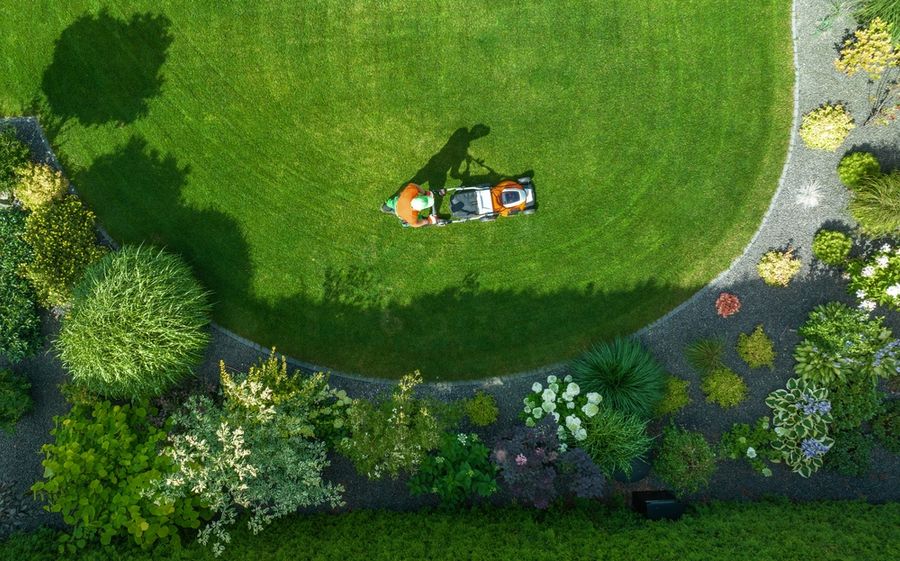
A great-looking lawn isn’t built in one marathon weekend—it’s maintained through small, steady habits that prevent problems before they spread. When mowing, watering, and feeding stay consistent, grass grows thicker, weeds struggle to take hold, and bare patches become less likely. The best routines also match the season and your grass type, since lawns behave differently in spring heat, summer stress, and fall recovery. A few smart tweaks can keep your yard looking polished for months.
Identify Your Grass Type and Follow Its Natural Rhythm
Lawn care becomes easier once you know whether you’re working with cool-season or warm-season grass . Cool-season varieties tend to grow most vigorously in early spring and fall, while warm-season grass loves summer heat and may look dull or dormant in cooler months. That difference changes when to fertilize, when to overseed, and even how high to mow. Matching your routine to your turf prevents common mistakes like pushing growth during the wrong season or stressing grass when it needs recovery.
A quick check with your local nursery or extension office can help confirm what you have, especially if your yard sits in a “transition zone” where multiple turf types can thrive. Once you know the grass, your schedule stops feeling random. Timing becomes predictable: cleanup and prep as growth starts, steady maintenance during peak season, then repair and strengthening as temperatures shift.
Mow High, Mow Often, and Keep Blades Sharp
Mowing is one of the simplest habits that has a huge impact on lawn appearance. Cutting grass too short weakens it, exposes soil to the sun, and gives weeds an advantage. A higher cut encourages deeper roots , better moisture retention, and thicker turf that naturally crowds out many common weeds. It also helps grass handle summer heat by shading the soil and reducing evaporation. A good rule is to avoid removing more than one-third of the blade height at a time.
Sharp mower blades matter just as much as mowing height. Dull blades tear grass instead of slicing it cleanly, leaving ragged edges that turn brown and become more vulnerable to disease. A seasonal blade sharpening and a quick mower checkup in spring can prevent a whole summer of shredded-looking turf. Consistent mowing also keeps the yard looking even, which instantly makes the entire outdoor space feel more maintained.
Water Deeply and Less Often for Stronger Roots
Many lawns get watered too frequently and too lightly, which encourages shallow roots and makes grass more dependent on daily moisture. Deep watering a couple of times per week helps roots grow down into the soil where moisture lasts longer. That leads to turf that holds up better during hot spells, windy days, and short dry periods. Early morning watering is ideal because it reduces evaporation and allows blades to dry out during the day, lowering the risk of fungal issues.
Watch your lawn instead of relying on a rigid timer. Footprints that linger, a dull bluish-gray cast, or slightly curled blades can signal thirst. Overwatering can cause its own problems, including weak roots, mossy areas, and disease. If rainfall is steady, you may need less irrigation than expected. When you water with intention—deep, early, and only when needed—the lawn stays greener with fewer inputs.
Feed at the Right Time and Avoid Overdoing Fertilizer
Fertilizer can thicken a lawn, improve color, and help grass compete with weeds, but timing matters. Cool-season grass often benefits from feeding in early spring and again in fall when root growth is strong. Warm-season turf typically responds best from late spring through summer when active growth is underway. Applying fertilizer during dormancy or extreme heat can stress grass or create weak, surge growth that needs constant mowing and becomes more disease-prone.
Less can be more when it comes to feeding. Overfertilizing can burn grass, attract pests, and encourage problems like fungal spots. Slow-release products tend to provide steadier growth, and following label directions prevents uneven “striping” or patchy results. Pair fertilizer with smart watering so nutrients move into the soil rather than sitting on the surface. With a simple seasonal feeding plan, lawns stay fuller and healthier without constant corrective work.
Aerate, Dethatch, and Patch Bare Spots Before They Spread
A lawn can look fine on top while struggling underneath due to compaction or excess thatch. Compacted soil blocks water and oxygen from reaching roots, which leads to thin areas and poor resilience. Aeration opens small pathways in the soil, helping air, water, and nutrients move where they’re needed. It’s especially helpful in high-traffic yards, clay-heavy soil, or areas where the lawn feels hard underfoot.
Thatch is another quiet troublemaker. A thin layer can protect roots, but too much becomes a barrier that keeps moisture from soaking in. If you notice sponginess underfoot or water pooling on the surface, dethatching may help. Once airflow and moisture improve, bare spots become easier to repair. Reseeding or patching early—while the problem is still small—prevents weeds from moving into open soil. A little seasonal “under-the-surface” maintenance keeps the lawn consistently dense.
Stay Ahead of Weeds and Pests With Light, Regular Attention
Weed control works best when it’s proactive rather than reactive. Spotting and removing weeds early prevents them from spreading seed and turning into a larger battle later in the season. Thick grass is one of the best defenses, so mowing height, proper watering, and feeding support weed prevention naturally. For stubborn weeds, selective post-emergent options can help without harming turf, but careful label reading and precise application prevent accidental damage.
Pests like grubs can also cause sudden brown patches that look like drought stress but don’t improve with watering. If your lawn had grub issues in a prior season, preventive treatment timed correctly can reduce the chance of repeat damage. Regular observation helps, too—checking for thinning areas, unusual spots, or increased bird activity (often a clue that insects are present). Small inspections during routine mowing or watering keep minor issues from becoming expensive fixes.
Keep the Momentum With a Simple Seasonal Routine
A lawn looks best when maintenance feels manageable, not overwhelming. A seasonal routine creates that momentum: spring cleanup, soil awareness, and mower prep; summer focus on mowing height, watering discipline, and quick weed checks; fall repair work like patching thin areas and strengthening roots; winter protection by limiting heavy traffic when grass is dormant. When tasks match the season, the lawn stays steadier, and you spend less time correcting mistakes.
Consistency also makes results more visible. Grass responds to patterns, like regular mowing, steady watering, and appropriately timed feeding, which build a healthier root system and a thicker canopy. Even small habits, like adjusting mower height during heat or changing watering based on rainfall, add up quickly. With a calm, repeatable rhythm, your yard can stay inviting from the first warm weekend through the last leaf drop.