

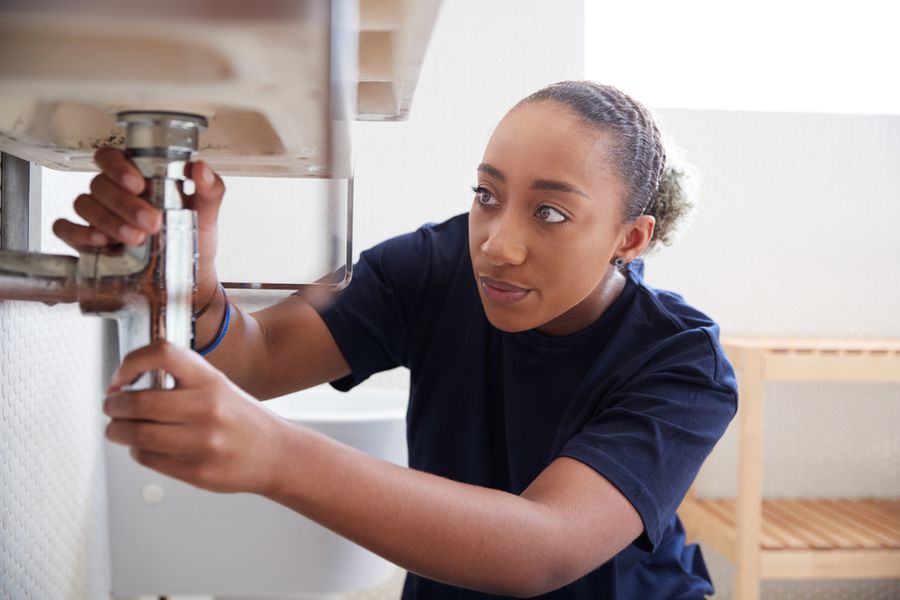
Home repairs can feel intimidating, but many common problems don’t require professional help or expensive tools. Small fixes around the house often come down to patience, basic instructions, and a willingness to try. Learning to handle minor repairs saves money, builds confidence, and keeps small issues from turning into larger headaches. From loose fixtures to simple plumbing problems, tackling manageable repairs can make homeownership feel far more rewarding and far less stressful.
Fixing Leaky Faucets and Running Toilets
A dripping faucet or running toilet is more than an annoyance—it wastes water and increases utility bills. Fortunately, both problems are usually caused by worn-out parts that are inexpensive and easy to replace. Leaky faucets often need a new washer, O-ring, or cartridge, depending on the fixture style. Turning off the water supply and swapping the part typically takes less than an hour.
Running toilets are often the result of a faulty flapper or fill valve. Replacing either component is straightforward and requires minimal tools. Once repaired, water flow returns to normal, eliminating constant tank refills. Addressing plumbing issues early prevents water damage and keeps household systems working efficiently without professional intervention.
Patching Small Holes and Wall Damage
Walls take a beating from daily life, resulting in nail holes, dents, and small cracks. Thankfully, r epairing minor wall damage is simple and inexpensive. Small holes can be filled with spackling compound using a putty knife, allowed to dry, and lightly sanded for a smooth finish. A quick coat of paint blends the repair seamlessly into the surrounding wall.
For slightly larger damage, mesh patches provide extra support before applying the compound. Taking time to prep the surface ensures professional-looking results. Learning basic wall repairs helps maintain a polished appearance throughout the home and prevents minor cosmetic flaws from becoming eyesores.
Replacing Light Fixtures and Switch Plates
Outdated or damaged light fixtures and switch plates are easy upgrades that improve both function and style. Replacing fixtures requires turning off power at the breaker, disconnecting old wiring, and attaching the new fixture according to the manufacturer's instructions. Most modern fixtures include clear guidance, making installation approachable.
Switch plates and outlet covers are even simpler to replace. Cracked or discolored plates can be swapped in minutes using only a screwdriver. These small changes refresh a room’s appearance and ensure electrical components remain protected, all without the need for specialized skills or tools.
Tightening Doors, Hinges, and Cabinet Hardware
Loose doors and cabinets are common household frustrations that often worsen over time. Tightening hinge screws can realign sagging doors and eliminate sticking or squeaking. If screws no longer hold, wooden toothpicks and wood glue can fill stripped holes, restoring grip once dry.
Cabinet knobs and handles frequently loosen with use. A simple tightening keeps them secure, while adding a drop of thread adhesive prevents future issues. Addressing loose hardware improves functionality and avoids unnecessary wear on surrounding materials.
Unclogging Drains Without Harsh Chemicals
Slow or clogged drains are often caused by hair, soap residue, or grease buildup. Many clogs can be cleared using a plunger or drain snake without resorting to harsh chemical cleaners. Removing debris manually protects pipes from corrosion and reduces environmental impact.
Regular maintenance, such as using drain strainers and flushing drains with hot water, helps prevent future blockages. Learning to clear minor clogs saves money and keeps plumbing systems flowing smoothly without professional assistance.
Replacing Weatherstripping and Sealing Drafts
Drafty doors and windows reduce comfort and increase energy costs. Replacing worn weatherstripping is a simple repair that significantly improves insulation. Self-adhesive foam or rubber strips are easy to install and require no special tools.
Sealing small gaps with caulk further reduces air leaks and moisture intrusion. Addressing drafts keeps indoor temperatures consistent and lowers heating and cooling expenses. This straightforward repair makes a noticeable difference in comfort while extending the life of doors and windows.
Building Confidence Through DIY Repairs
Handling small home repairs builds valuable skills and reduces dependence on outside help. Each successful fix boosts confidence and encourages proactive maintenance habits. Over time, homeowners become more comfortable identifying issues early and addressing them efficiently.
DIY repairs also create a deeper understanding of how a home functions. While some tasks will always require professionals, mastering basic fixes empowers homeowners to maintain their space with pride. Small efforts add up, creating a well-kept, functional home without unnecessary costs.