

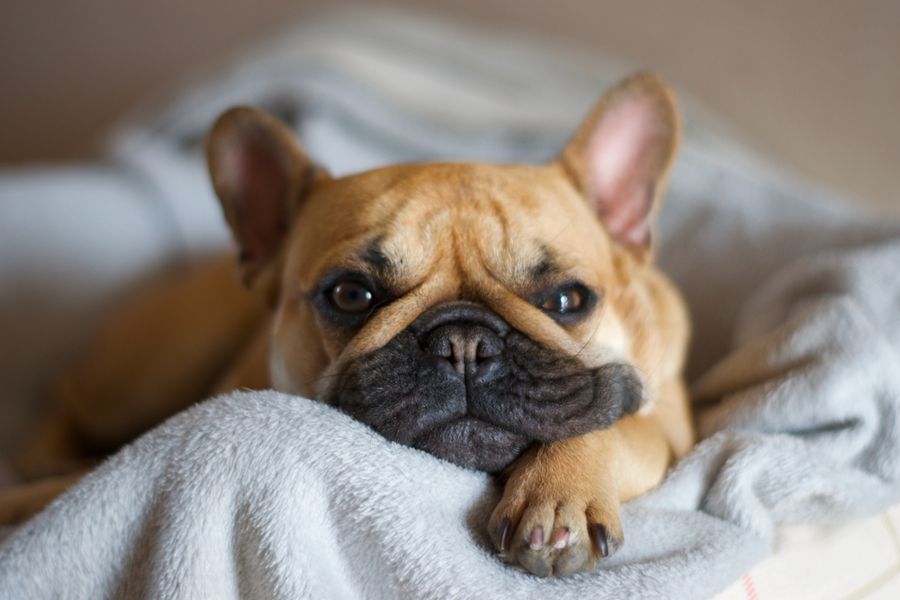
Apartment life can be a great match for the right dog. The key isn’t just square footage, it’s temperament, noise level, and how easily a pup settles into a routine with daily walks and indoor downtime. Some dogs thrive in smaller spaces because they’re calm, adaptable, and happy to curl up near their person. With a thoughtful breed choice and a few smart habits, apartment living can feel cozy, enriching, and surprisingly easy for both dog and owner.
What Makes a Dog Truly Apartment-Friendly
Apartment-friendly dogs tend to share a few practical traits that make everyday life smoother. A calm temperament matters more than size, since a small dog that barks nonstop can feel harder to manage than a larger dog who naps quietly. Look for breeds known for being relaxed indoors, comfortable with moderate exercise, and less likely to vocalize at every hallway sound. Adaptability is huge, too. Some dogs handle elevators, strangers, and city noise with ease, while others stay on high alert.
Energy needs should match your schedule and environment. Many apartment dogs do best with steady routines: morning potty break, a walk or play session, and a predictable wind-down at night. Grooming is another factor in close quarters, especially if you’re sensitive to shedding or prefer low-odor coats. The best apartment match is a dog that enjoys companionship but can also self-settle when life gets busy.
Small Breeds That Shine in Compact Spaces
Several small breeds are practically built for apartment living, especially for owners who want an easy-to-carry, easy-to-exercise companion. French Bulldogs are famous for their laid-back attitude and love of lounging, and they typically do well with short walks and indoor play. Pugs bring a cheerful, social vibe and often prefer being near their people over constant activity. Cavalier King Charles Spaniels are gentle and affectionate, with moderate exercise needs that fit well into daily walks.
Shih Tzus and Maltese can be excellent choices for quieter homes because they’re often content with indoor time and short outings, though grooming needs are higher. Boston Terriers are playful without being overwhelming, and they adapt well to different schedules. Even within a “good apartment breed,” personality still varies, so meeting the dog, especially if adopting, can confirm whether the energy level and social style fit your home and routines.
Low-Barking Options for Shared Walls and Close Neighbors
When you share walls, sound becomes part of the lifestyle, and barking can create stress fast. Some breeds are naturally quieter, and that can make a big difference in apartment harmony. Basenjis are often called “barkless” because they don’t bark like typical dogs, though they can still vocalize in other ways and need mental stimulation. Greyhounds can be surprisingly quiet and gentle indoors, often choosing naps over noise, making them a great option for people who want a calm presence.
Many companion breeds can also be low-barking when their needs are met. Dogs that get enough exercise, enrichment, and attention are less likely to bark out of boredom or anxiety. Training matters, too. Teaching “quiet,” limiting window-trigger barking, and using white noise can reduce sound issues. A calm dog plus consistent boundaries usually beats relying on breed alone, but starting with a naturally quiet breed makes everything easier.
“Couch Potato” Breeds That Still Enjoy Daily Walks
A common misconception is that apartment dogs must be tiny. In reality, some medium-to-large breeds do wonderfully in small spaces because they’re calm at home. Greyhounds are the classic example: built for sprinting, yet often happiest lounging for long stretches after a short, satisfying walk. Their low indoor energy can be a perfect fit for apartment dwellers who want a larger dog without constant chaos. Some retired racing greyhounds transition especially well into quiet home routines.
The best “couch potato” breeds still need consistent movement, just not marathon sessions. A couple of brisk walks, a little sniffing time, and a short play break can be enough. The goal is meeting physical and mental needs so the dog can relax comfortably indoors. For apartment living, a dog who can truly settle—lying down calmly after activity—is often more important than a dog’s height or weight.
How to Choose the Right Dog for Your Routine and Building Rules
Start with your real life, not an ideal schedule. Consider how long the dog might be alone on weekdays, how often you can do walks, and whether you enjoy training. Some breeds bond intensely and struggle with separation, while others handle alone time better when gradually conditioned. Your building’s pet policy matters, too—weight limits, breed restrictions, and noise rules can narrow choices quickly. It’s better to select a dog that fits policy requirements than to gamble and face future conflict.
Also, think about elevator comfort, stair needs, and potty logistics. Puppies and seniors may need more frequent bathroom breaks, while high-energy breeds may need longer daily outings. If you work long hours, a lower-energy adult dog may fit better than a demanding puppy. Temperament is everything: a friendly, adaptable dog who enjoys routine will usually thrive in an apartment, even if the space is small.
Setting Up Your Apartment for a Happy, Well-Behaved Dog
A good apartment setup can prevent common issues like barking, chewing, and restlessness. Create a “home base” area with a comfortable bed, water, and a few rotating toys so your dog learns where to settle. Enrichment is crucial in small spaces—food puzzles, lick mats, sniff games, and short training sessions provide mental exercise without needing a big yard. If your dog reacts to hallway sounds, consider a white noise machine or placing the bed farther from the door.
Consistency helps with noise and neighbor concerns. Regular potty breaks, predictable walks, and a calming wind-down routine can reduce stress behaviors. If you’re gone during the day, a dog walker, daycare, or a midday enrichment plan can make a major difference. Cleaning tools matter, too: a handheld vacuum, lint roller, and washable blankets help keep shedding manageable. With the right environment, apartment dogs often become excellent indoor companions who feel secure and relaxed.
A Great Apartment Dog Is More About Match Than Square Footage
The best apartment dog is the one whose needs fit your lifestyle, not the one that looks best in a photo. Calm temperament, manageable energy, and a lower tendency to bark tend to matter most when you share walls and common spaces. A breed like a French Bulldog, Cavalier, Pug, Boston Terrier, Shih Tzu, or even a Greyhound can thrive when daily routines are steady, and the dog gets enough attention and enrichment.
Apartment living also rewards thoughtful ownership. Training, exercise, and mental stimulation turn “small space” into a cozy den rather than a stressful box. When the dog feels understood and well-supported, behavior problems shrink, and the bond grows fast. With the right match, an apartment can be one of the most comfortable, connected homes a dog ever has.