

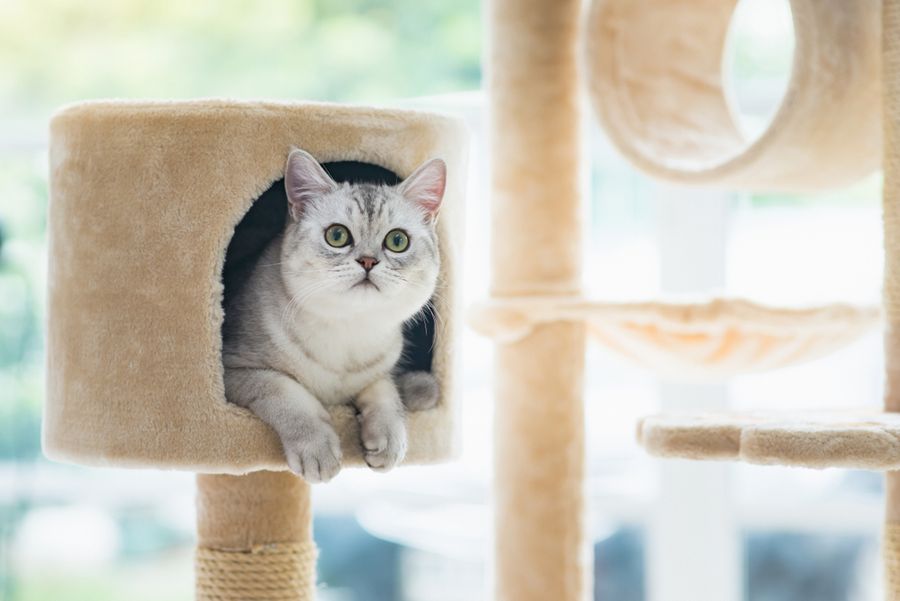
Bringing comfort into an indoor cat’s world is about more than soft beds and sunny windows. Indoor cats rely entirely on their environment to meet physical, mental, and emotional needs, which means small details matter more than many owners realize. A thoughtfully arranged home can reduce stress, prevent behavior issues, and support natural instincts like climbing, hiding, observing, and resting. With the right setup, an indoor space becomes a safe territory where a cat feels confident, relaxed, and deeply content.
Create Safe and Inviting Resting Areas
Cats spend a large portion of their day sleeping, but comfort goes beyond simply placing a bed on the floor. Indoor cats prefer resting spots that feel protected, warm, and slightly elevated whenever possible. Soft bedding placed in quiet corners, on shelves, or near windows allows cats to relax without feeling exposed. Some cats enjoy enclosed beds or covered hideaways, while others prefer open cushions where they can stretch out fully. Offering a few different styles helps a cat choose what feels best at different times of day.
Location matters just as much as softness. Resting areas should be away from loud appliances, heavy foot traffic, or sudden disruptions. Bedrooms, offices, or calm living room corners often work well. Cats also appreciate familiarity, so washing bedding too frequently can remove comforting scents. Keeping resting spots consistent helps an indoor cat feel secure and anchored in their environment, which supports better sleep and overall well-being.
Use Vertical Space to Support Natural Instincts
Indoor cats still carry the instincts of climbers and observers. Vertical space allows cats to survey their territory, escape stress, and engage muscles that aren’t used as often on the ground. Cat trees, tall scratching posts , wall-mounted shelves, and window perches transform unused wall space into valuable real estate. Even small apartments benefit from vertical options, as height creates enrichment without requiring extra floor space.
Vertical areas also help multi-pet households function more smoothly by giving cats alternative routes and quiet escape options. A cat that can retreat upward often feels more confident and less reactive. Placing climbing structures near windows or social areas allows cats to participate in household life from a comfortable distance. When indoor spaces include safe, sturdy vertical features, cats tend to move more naturally and display fewer stress-related behaviors.
Provide Mental Stimulation Through Enrichment
Comfort is not only physical. Mental engagement plays a major role in an indoor cat’s happiness. Enrichment activities prevent boredom, reduce anxiety, and support healthy behavior patterns. Interactive toys, puzzle feeders, and rotating play options keep the environment interesting without overwhelming the cat. Changing toys every few days maintains novelty while avoiding clutter or overstimulation.
Enrichment can also be woven into daily routines. Scatter feeding encourages gentle exploration, while hiding treats around the home engages curiosity and problem-solving. Window views offer passive mental stimulation through sights, sounds, and movement outside. Even small changes, such as rearranging a cat tree or introducing a cardboard box, can refresh the environment. A mentally stimulated cat is often calmer, more confident, and better able to self-regulate energy throughout the day.
Make Litter and Feeding Areas Stress-Free
Litter boxes and feeding stations are essential parts of an indoor cat’s daily life, and their placement greatly affects comfort. Cats prefer quiet, low-traffic areas for litter boxes that still allow easy access. Placing boxes too close to noisy appliances or busy walkways can create stress and avoidance. Cleanliness is equally important, as cats are sensitive to odors and may reject boxes that feel uninviting.
Feeding areas should be separate from litter spaces and placed where a cat feels safe while eating. Some cats prefer to dine alone, while others enjoy being near their owners during meals. Elevated feeding stations may benefit older cats or those with joint discomfort. Fresh water should always be available, and many cats prefer fountains that keep water moving. When basic needs are met in calm, predictable locations, indoor cats feel more secure and relaxed.
Support Scratching, Grooming, and Body Care
Scratching is not a behavior problem; it is a physical and emotional need. Indoor spaces should include multiple scratching options with different textures and orientations. Vertical posts, horizontal pads, and angled scratchers allow cats to stretch, mark territory, and maintain claw health. Placing scratchers near resting areas or favorite hangouts encourages regular use and protects furniture naturally.
Grooming support also contributes to comfort. Regular brushing helps reduce shedding and hairballs while reinforcing positive handling experiences. Providing cat-safe grooming tools and making grooming part of a calm routine helps indoor cats feel cared for rather than restrained. When scratching and grooming needs are met appropriately, cats are less likely to show signs of frustration, overstimulation, or destructive habits.
Maintain a Calm and Predictable Environment
Consistency is a powerful source of comfort for indoor cats. Predictable routines for feeding, play, and rest help cats feel safe in their surroundings. Sudden changes, loud noises, or constant rearranging can create anxiety, especially for sensitive cats. While enrichment is important, balance comes from stability paired with gentle variety rather than constant disruption.
Environmental factors such as lighting, temperature, and scent also play a role. Cats enjoy warm spots with natural light but also need cooler areas for comfort. Using calming pheromone diffusers or maintaining familiar household scents can help reduce stress, particularly during transitions. A calm environment allows an indoor cat to relax fully, conserving energy for play, exploration, and social interaction.
A Home That Truly Feels Like Theirs
A comfortable indoor space is one where a cat feels ownership, safety, and freedom of choice. When rest areas, climbing opportunities, enrichment, and daily necessities are thoughtfully arranged, cats move through their environment with confidence rather than caution. Comfort shows up in subtle ways: relaxed body language, steady routines, and contented naps in favorite spots.
Creating this kind of home does not require constant upgrades or expensive products. It comes from observing a cat’s preferences and adjusting the environment to support natural behavior. Over time, a well-designed indoor space becomes more than a shelter—it becomes a territory where an indoor cat can thrive physically and emotionally, every single day.