

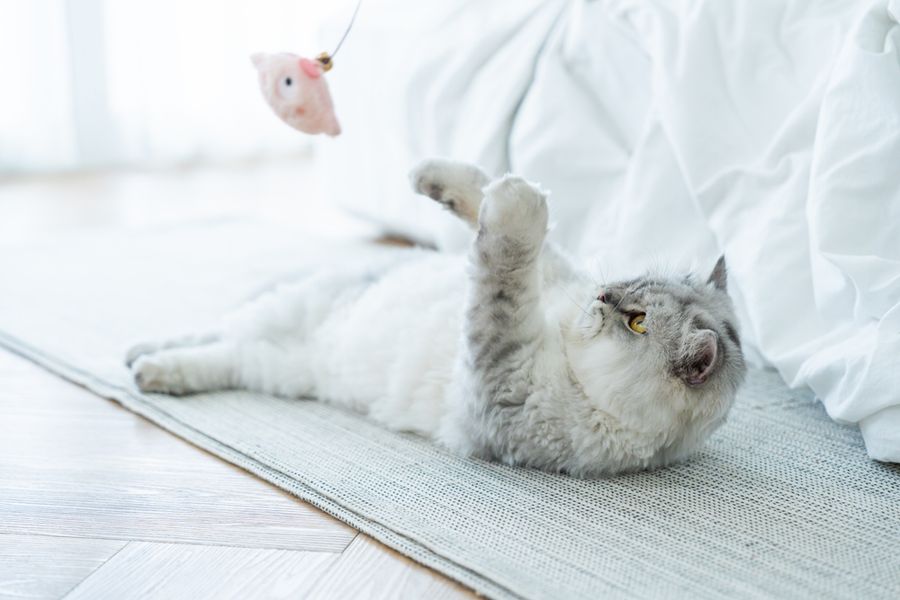
Keeping a cat entertained isn’t about constant action—it’s about meeting natural instincts in a home that can feel a little too predictable. Cats are built to stalk, climb, observe, solve small “problems,” and nap hard afterward. When that cycle is missing, boredom can show up as midnight zoomies, furniture scratching, or attention-seeking meows. With a few smart upgrades to play, feeding, and your living space, daily life becomes more engaging, calmer, and a lot more fun for both of you.
Turn Meals Into a Game With Puzzle Feeders
Food can do more than fill a bowl—it can give your cat a job. Puzzle feeders and treat-dispensing toys tap into hunting instincts by asking your cat to paw, nudge, roll, or manipulate an object to earn kibble. That mental effort helps relieve boredom and can slow fast eaters down, which is helpful for digestion and weight management. Start with an easy puzzle that releases food quickly, then increase the difficulty once your cat understands the “work equals reward” idea. Rotating puzzles keeps motivation high, especially for clever cats who solve patterns fast.
To keep it stress-free, use part of your cat’s regular daily food allowance in the puzzle and offer the rest in a bowl until your cat gets comfortable. If your cat seems frustrated, lower the difficulty and praise curiosity with gentle encouragement. Puzzle feeding works well for indoor cats, cats who beg for snacks, and cats who need a little extra stimulation during long workdays.
Build Vertical Space That Makes Your Home a Cat Playground
Cats experience a room in three dimensions, and height is a big part of what makes them feel secure and engaged. Cat trees, window perches, sturdy shelves, and climbing towers give your cat places to explore, lounge, and survey the “territory.” Vertical space also encourages healthy movement—jumping up, hopping down, stretching, and balancing—without needing a huge floor plan. A single tall cat tree can change how your cat uses a room, especially if it’s placed where your cat already likes to hang out.
Spread climbing options across the home if possible. A perch near your desk can help a social cat feel included, while a higher, quieter spot can give a timid cat confidence. Add a scratching surface on or near a climbing structure to combine two needs in one place. When cats have safe, rewarding routes up high, they’re often less interested in climbing bookcases or leaping onto fragile shelves.
Create “Cat TV” With Window Views and Safe Outdoor Time
A good window setup can entertain a cat for hours because the outside world is full of movement, sounds, and scent cues. A soft perch near a secure window becomes a front-row seat for birds, squirrels, passing cars, and shifting sunlight. Even on slow days, watching leaves move or listening to distant activity can be enriching. If you can, place the perch where your cat can see different angles—part of the yard, the sidewalk, or a tree line. The variety matters more than the size of the view.
For cats that crave outdoor stimulation, a catio or enclosed outdoor space can be a game-changer. It offers fresh air and new sensory input while keeping your cat protected from cars, predators, and other hazards. Catios can be as simple as a window box enclosure or as elaborate as a patio run with shelves and ramps. If a catio isn’t possible, supervised harness time may work for some cats, as long as you go at your cat’s pace and prioritize safety.
Schedule Interactive Play That Mimics Hunting
Solo toys are helpful, but interactive play hits a different level because it feels like real prey. Wand toys, feather teasers, and chase games allow your cat to stalk, pounce, sprint, and “capture,” which satisfies instincts far better than passive entertainment. Aim for short sessions once or twice a day, especially at times your cat naturally gets energetic—often morning and evening. Keep movements unpredictable: quick darts, pauses, and small twitches make the toy feel alive. Let your cat catch the toy sometimes so the game feels rewarding, not endlessly frustrating.
Finish play with a small meal or a few treats to mimic the natural hunt-eat-groom-sleep rhythm. This can reduce late-night chaos and help your cat settle. If your cat loves lasers, use them carefully—pair the session with a physical toy your cat can actually catch at the end. That helps prevent lingering frustration and turns the whole routine into a satisfying cycle rather than a tease.
Rotate Toys and Add Motion for Better Solo Play
Cats can get bored with the same toy left out for weeks, even if it was once a favorite. Toy rotation keeps novelty high without buying a mountain of supplies. Keep a small “toy box” with different textures and styles—plush mice, crinkle toys, springs, balls, kickers—and swap a few every couple of days. For many cats, the return of a toy after a break feels like getting something new. Catnip toys can be part of the rotation, but give your cat time between sessions so the excitement stays strong.
For extra engagement when you’re busy, consider motion-activated or automatic toys that roll, wiggle, or trigger movement when your cat approaches. Automatic ball toys and moving “prey” toys can encourage stalking and chasing while you cook dinner or take a call. Always choose cat-safe options, inspect toys for loose pieces, and retire anything that becomes frayed or breakable. A safe toy that shows up at the right moment can turn a quiet afternoon into a mini adventure.
Use DIY Enrichment and Hide-and-Seek to Spark Curiosity
You don’t need fancy gear to create fun. Simple DIY treat dispensers, like a cardboard box with small cutouts or an empty toilet paper roll folded at the ends, can become an engaging puzzle in minutes. Scatter a few pieces of kibble in safe spots around a room or hide treats behind furniture legs to encourage searching and sniffing. For cats who love novelty, even paper bags (handles removed), crumpled packing paper, or a taped-up box with peek holes can create a whole new “zone” to explore. The goal is safe discovery and gentle problem-solving.
Hide-and-seek games are especially good for curious cats. Hide a favorite toy and let your cat hunt it out, or tuck treats in a few easy-to-find locations and gradually make the challenge more interesting. If your cat gets overstimulated easily, keep sessions calm and short. For confident cats, add variety by changing hiding spots or switching rooms. This kind of enrichment gives your cat a sense of purpose, which often reduces attention-seeking behavior and keeps energy balanced.
A Home That Feels Alive for Your Cat
The best entertainment plan fits your cat’s personality. Some cats want intense chase sessions, while others prefer puzzles, climbing, and quiet observation from above. Mixing mental work with physical movement tends to produce the calmest, happiest results, especially for indoor cats who need stimulation built into daily life. A few small changes, like a window perch and a puzzle feeder, can make a noticeable difference in mood and behavior within a week.
Consistency matters, but so does variety. Rotate toys, switch up play styles, and treat your home like a habitat that can evolve over time. When your cat has outlets to climb, hunt, solve, and explore, boredom fades, and confidence grows. The payoff is more than a busy cat—it’s a more content companion who feels fulfilled, secure, and genuinely at home.