

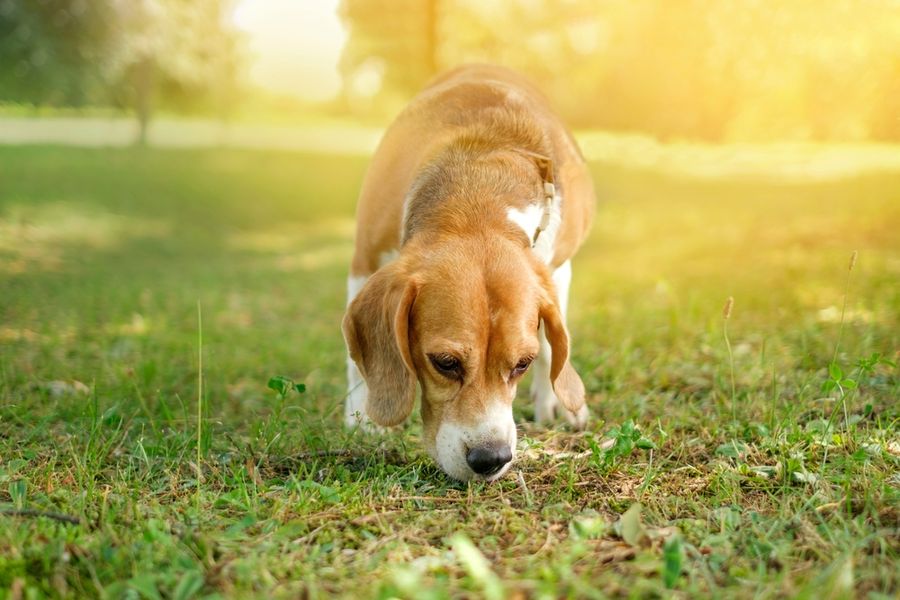
Dogs experience the world primarily through their noses. While many walks focus on distance, pace, or physical exercise, allowing dogs to fully engage their sense of smell can be just as important for their well-being. Scent walks slow things down and turn an ordinary outing into a mentally enriching experience. By giving dogs time to explore smells, process information, and make choices, scent walks support emotional balance, reduce stress, and create a deeper sense of fulfillment that physical exercise alone cannot provide.
How a Dog’s Brain Is Wired for Smelling
A dog’s sense of smell is incredibly powerful, with tens of thousands more scent receptors than humans. Large portions of a dog’s brain are dedicated to processing scent, which means sniffing is not a passive activity but a complex mental task. When a dog pauses to smell, their brain is actively gathering information about other animals, people, weather changes, and even events that happened hours earlier.
This mental processing provides natural stimulation that satisfies instinctual needs. Sniffing allows dogs to engage their brains in a way that feels purposeful and rewarding. Without opportunities to use this ability, dogs can become mentally under-stimulated, even if they receive plenty of physical exercise. Scent walks align perfectly with how dogs are biologically designed to interact with the world.
Mental Stimulation That Reduces Stress and Anxiety
Scent walks offer a calming effect that many owners notice almost immediately. When dogs sniff, their breathing slows and their focus shifts inward, helping regulate emotions. This can be especially beneficial for dogs that struggle with anxiety, reactivity, or overstimulation. The act of sniffing encourages a calmer state of mind and helps release tension built up from daily stressors.
Mental engagement through scent also gives dogs a sense of control. Choosing where to sniff and how long to investigate allows dogs to make decisions, which builds confidence. Over time, dogs that regularly participate in scent walks often appear more relaxed at home, less reactive on leash, and better able to cope with new environments or changes in routine.
Why Scent Walks Can Be More Tiring Than Fast Walks
Many owners are surprised to learn that a slow, sniff-heavy walk can be more exhausting for a dog than a brisk walk around the block. Mental effort requires energy , and processing hundreds of scents demands significant cognitive work. After a scent walk, dogs often rest more deeply and appear more content than after purely physical exercise.
This mental fatigue is healthy and helps prevent boredom-related behaviors such as chewing, barking, or restlessness. Dogs that are mentally fulfilled are less likely to seek stimulation in destructive ways. For dogs with limited mobility, senior dogs, or breeds prone to overstimulation, scent walks offer a low-impact yet highly effective way to meet daily enrichment needs.
Supporting Emotional Balance and Confidence
Scent walks help dogs feel more grounded in their environment. By gathering information through smell, dogs gain context about their surroundings, which can reduce fear and uncertainty. This is particularly helpful for shy or nervous dogs that may feel overwhelmed during traditional walks focused on speed or strict structure.
Allowing dogs to explore at their own pace builds confidence over time. Each successful outing reinforces a sense of safety and familiarity with the world. Dogs that feel emotionally balanced are better equipped to handle surprises, unfamiliar people, or other animals. The predictable comfort of scent exploration can act as an emotional anchor, especially for dogs adjusting to new homes, routines, or life stages.
Strengthening the Bond Between You and Your Dog
Scent walks shift the dynamic of a walk from owner-led to partnership-based. Instead of directing every step, owners observe and respond to their dog’s interests. This mutual respect builds trust and strengthens communication. Dogs learn that their needs and instincts are valued, while owners gain insight into their dog’s preferences and emotional state.
Shared experiences that prioritize a dog’s natural behaviors deepen the human-animal bond. Over time, dogs may become more attentive and responsive because they feel understood rather than controlled. Scent walks encourage patience and presence from owners, creating a calmer, more connected relationship that extends beyond the walk itself.
How to Incorporate Scent Walks Into Daily Life
Scent walks do not require special equipment or long distances. They simply require a mindset shift. Choosing quieter routes, using a longer leash where safe, and allowing frequent sniffing breaks are simple ways to start. The goal is not covering ground but giving your dog time to explore smells fully without rushing.
Rotating walking routes adds novelty and keeps scent experiences fresh. Even familiar neighborhoods offer new smells each day due to changing environments. Letting your dog lead occasionally and resisting the urge to hurry enhances the experience. Over time, scent walks can become a regular part of your routine, offering consistent mental enrichment without added stress or complexity.
A Walk That Nourishes the Mind, Not Just the Body
Scent walks remind us that dogs do not measure fulfillment by steps taken or miles covered. Mental engagement, choice, and exploration are just as important as physical movement. By allowing dogs to sniff freely, owners support emotional health, reduce stress, and prevent boredom-driven behaviors.
Incorporating scent walks into daily routines creates a richer, more satisfying life for dogs of all ages and energy levels. The benefits extend beyond the walk itself, shaping calmer behavior, deeper rest, and a stronger bond. When dogs are allowed to experience the world through their most powerful sense, they thrive in ways that truly matter.